
Work asks a lot of us. Our time, our energy, our full and undivided attention. We pour ourselves into our jobs and for many of us, the pouring never quite stops.
It’s no surprise, then, that burnout has become one of the defining experiences of modern professional life. Christina Maslach, the UC Berkeley psychologist who pioneered the scientific study of burnout, describes it as a response to chronic job stressors that plays out across three dimensions: emotional exhaustion, depersonalization (the gradual erosion of empathy and compassion toward others), and a diminished sense of personal accomplishment. It’s a term that resonates, Maslach says, because it “describes what happens when you used to have passion, used to be on fire, and then it’s gone.”
“Don’t confuse stress with burnout.
Feeling overwhelmed sometimes is normal—it signals responsible engagement in meaningful work.
Burnout is persistent, impairing emotional exhaustion. It stems from too many demands—and too little control and support.”
Rest might be the wrong prescription
The instinct when that fire goes out is to stop. To rest. But Maslach has long cautioned that simply taking time off won’t fix what ails you. Burnout is an organizational issue, not a personal one, and time off and self-care don’t resolve its root causes. What can help, though, is stepping fully outside the conditions that drained you and finding something that refills what work has taken.
Geetika Agrawal understood this deeply after two decades of traveling the world. She discovered that the only true cure for her own professional burnout was to step out of her routine, travel somewhere new, and spend time reconnecting with her creativity by working with an artist. These immersive encounters offered more than just a break from her digital work; they provided a profound emotional and creative recharge she couldn’t find anywhere else.
By the time she joined the remote work community Remote Year, the vision for her business was already clear. She took a year-long sabbatical from her career not just to travel, but to actively build that vision into a reality. That year spent living in 12 different countries allowed her to move from being a student of craft to the founder of Vacation With An Artist (VAWAA)—a platform that connects curious travelers with master craftspeople for hands-on apprenticeships that offer something far rarer than a typical holiday: genuine creative renewal.
We sat down with Geetika to hear her story, and to find out what it’s really like to vacation with an artist.
The story behind Vacation With An Artist
We have all these “super senses” that a computer hasn’t been given. When you activate those through physical craft, you upskill your humanity.
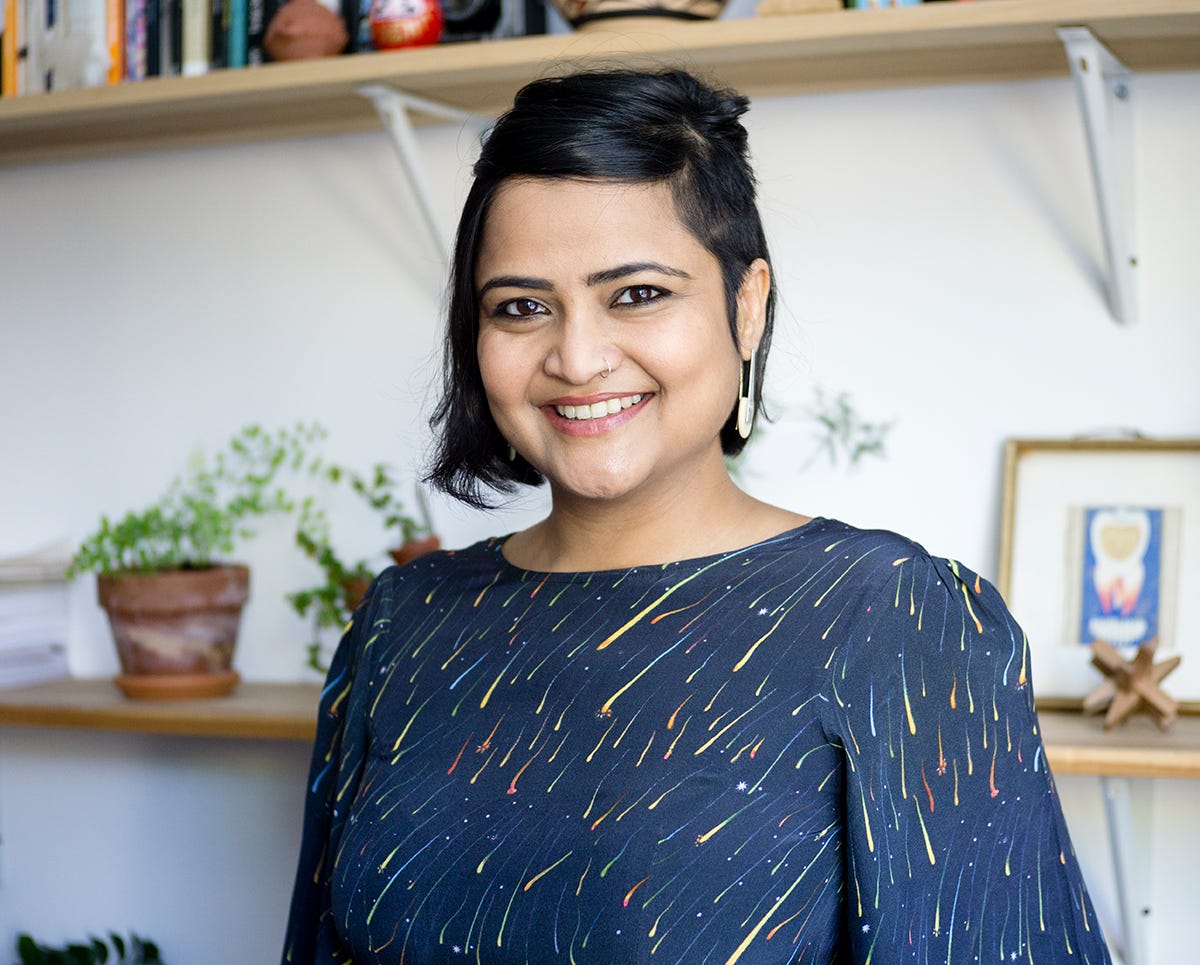
Aarron Walter: You’re a designer by training, but you’ve built something that steps far outside the digital world. What creative frustration or unmet need led you to start Vacation with an Artist (VAWAA)?
Geetika Agrawal: As a designer, you’re trained to have this muscle to imagine a world and then create it. But sometimes, when you’re working for others or have clients, it’s hard to see that vision through. The real frustration was wanting to realize a vision exactly as I had it in my head.
The backstory starts in India. I studied interior architecture in a country where most people study engineering or medicine. I had no architects in my family, so in 10th grade, I just started calling people from the Yellow Pages and asking, “What does it mean to be an architect?” That curiosity led me to the U.S. for grad school, then to Disney Imagineering, and eventually to R/GA in New York.

But in parallel to that career, I had this other life. In architecture school, we spent summers working with craftspeople. At 17, I spent my summer with a master in a village learning to make brass lamps. Seeing the discipline, the history, and the community around that craft was mind-blowing. Throughout my professional career, I traveled to 65-plus countries seeking that same feeling—learning silversmithing in Indonesia or natural dyeing in Mexico. I realized that these artists weren’t online. They were busy with their hands. I wanted to build a bridge so others could find them.
Aarron Walter: You eventually took a “Remote Year” to bring this to life. How did that transition happen?

Geetika Agrawal: In 2015, I spent a year living in 12 different countries. It was a chance to get away from my day-to-day in New York and dedicate myself to this vision. I would go on the ground in each city, find these artists, take photos, and write their stories. I launched the site on Squarespace in the sixth month of my travels. I didn’t even have payment hooked up yet! I woke up the next morning to a booking from someone in Austria for a soap-making session in Slovenia. Within a week, we were number one on Product Hunt. I realized then: this is real!
Eli Woolery: When you’re working with these artisans, there’s an economic side to consider. Many of these traditional crafts aren’t valued correctly by the market. How does VAWAA support their livelihood?
Geetika Agrawal: Creativity has never been valued correctly monetarily. Our goal is to create a “knowledge economy” for artists. Right now, the arts world offers an infrastructure for selling their products. We're building a global infrastructure for them to share their knowledge.
We guide them on pricing looking at the global market and to how to factor in their time, materials, and studio costs. Crucially, we add our fees on top of theirs—we never take a commission out of their fee. They get 100% of their fee. If the artist, the customer, and the platform are all happy, it becomes a sustainable system.
Aarron Walter: Many of our listeners come from digital design backgrounds. How does working with physical materials—clay, wood, textiles—change the way a digital designer approaches problem-solving?

Geetika Agrawal: Our best imagination and vision come from lived experiences. Digital life isn’t very experiential; it’s primarily the mind and the eyes. We lose that mind-body-hand connection.
This is even more important now with AI. If AI can do many of the things we used to do, how do we tap into our human superpowers? We have to go back to the source. We have all these “super senses” that a computer hasn’t been given. When you activate those through physical craft, you upskill your humanity.
Eli Woolery: What do people actually take back to their “day jobs” after these experiences?

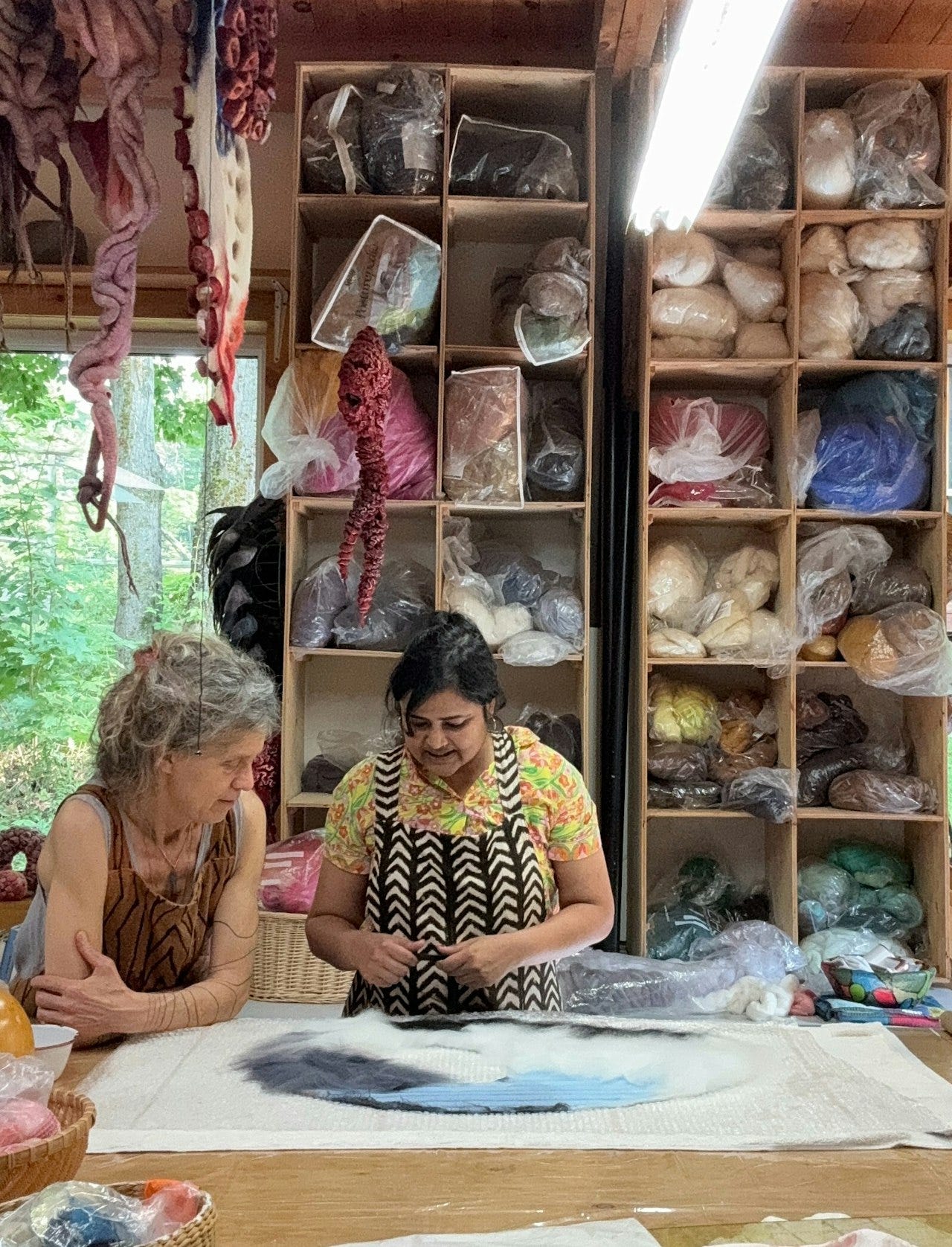
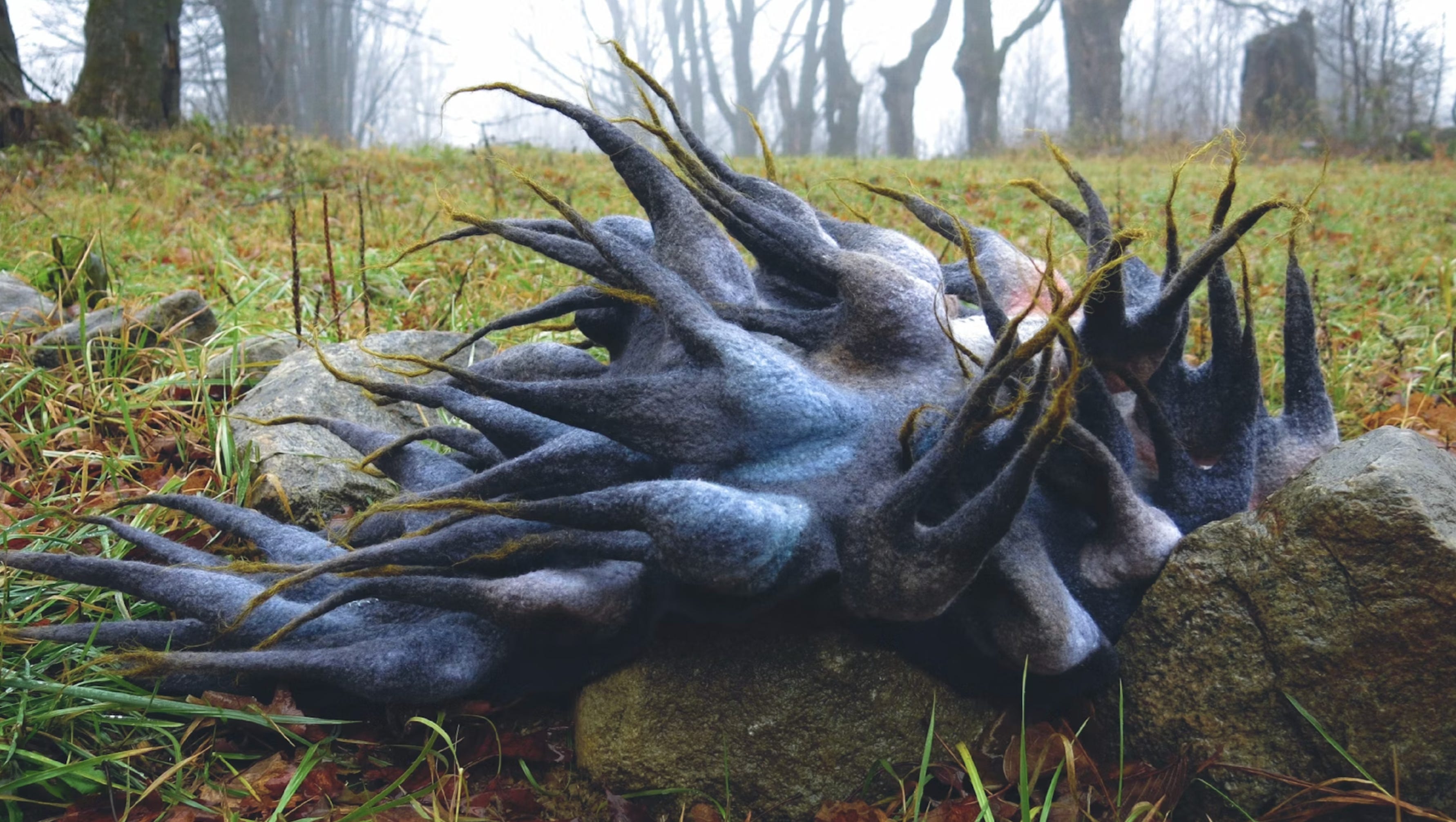
Geetika Agrawal: New connections in the mind, first of all. But also, they bring back wisdom. I did a session in Montreal with a master felt-maker, Marjolein. She lives in the forest, and every morning at 9:00 AM, she is in her studio. She works until 6:00 PM. She’s world-renowned—she designed costumes for Cirque du Soleil—but she’s not getting awards every day. She just shows up in her studio consistently. You take away that wisdom of how to live—how to stay grounded and not get distracted by the noise.
Aarron Walter: Do you have a story of a specific guest whose perspective shifted during one of these trips?

Geetika Agrawal: We had a designer from Google who was completely burnt out. He went to Mexico to do stone sculpture. He was so attached to a “perfect” outcome; he wanted to plan everything. At one point, he chipped the stone too much and was devastated. He thought the whole project was ruined.
The artist, Julio, just looked at it and said, “Okay, let’s just reshape it and move on.” For the designer, it clicked: it wasn’t a failure, it was just redirection. We forget how to get unstuck sometimes. He came back so excited, signing up for charcoal painting and other classes. You could see the spark in his eyes.
Eli Woolery: For people who are burnt out or perhaps looking to leap into independent entrepreneurship, what lessons have you learned?
Geetika Agrawal: To take a leap, you have to overcome fear. As adults, we have very few opportunities to be “not knowing.” VAWAA is like a week-long gift where you’re allowed to make mistakes and explore. That builds the confidence needed to take a leap in your career. When I took my leap, I needed that structure of one year to transition, test, and play.
Aarron Walter: How do you find and vet these artists? What makes someone a “VAWAA artist”?

Geetika Agrawal: I work backwards. For the experience to be transformative, the artist needs mastery. It can’t just be a two-hour “entertainment” activity. They need depth so they can guide anyone from a beginner to an advanced student.
We also look for work that is grounded in history but looking forward. Usually, the artist is native to the place because they incorporate the local materials and community story into the craft. And finally, they have to actually like people. That’s essential.
Eli Woolery: As we wrap up, what’s your call to action for the creative community?
Geetika Agrawal: Many senior creatives feel disconnected because they’ve moved into management. They’ve stopped making. Give yourself permission to have a creative recharge.
Designers have a huge responsibility right now. We are playing a massive role in shaping the world, so it’s vital that we stay centered. Go out into the world. Make things with your hands. Disconnecting from your day-to-day and coming back recharged will bring something entirely new to your work and your life.