


In this issue of The Brief:
Observations on designing a personal portfolio
Things to watch, read, and explore
Job openings

Join Portfolio Club Wednesdays 10AM PT/1PM ET
Join us every Wednesday through the end of July to talk through the best practices of portfolio design. A new industry expert joins us each week to critique portfolios and talk about what they look for when hiring. Build a portfolio you’re proud to share!
Become a paid subscriber to join, and save 20% off an annual subscription →
Observations on designing a personal portfolio
by Aarron Walter
I have always struggled to design my own portfolio. It’s an exercise in showing off, and that has never sat comfortably with me. But recently, I did the impossible. I launched my new website.
When designing for a client, I can be objective and curious. But when I design for myself, subjectivity clouds my judgment. Finding the right style and concept to represent my own personality, without overthinking every choice, is hard. I spin my wheels trying to satisfy my worst critic: myself.
Tooling has become another big hurdle. Though I spent years teaching coding, building large-scale products, and served on The Web Standards Project and the W3C, the modern web stack has grown so complex that it trips up my ideas.
For a long time I leaned on Squarespace to make the design process easier. It worked fine, but at times I felt pinned in by it, not really able to design what I wanted. By using a WYSIWYG editor, I felt I’d lost a piece of my identity as someone who prided himself on hand-building websites.
But no longer able to tolerate my old, cringy website, I resolved to get something new started. Something. Anything!
To break the ice, I brought in a collaborator.
AI can be an icebreaker
Sometimes tiny steps open the creative floodgates. That’s what happened for me in April, when I began describing to Claude Code the ideas in my head for my new website.
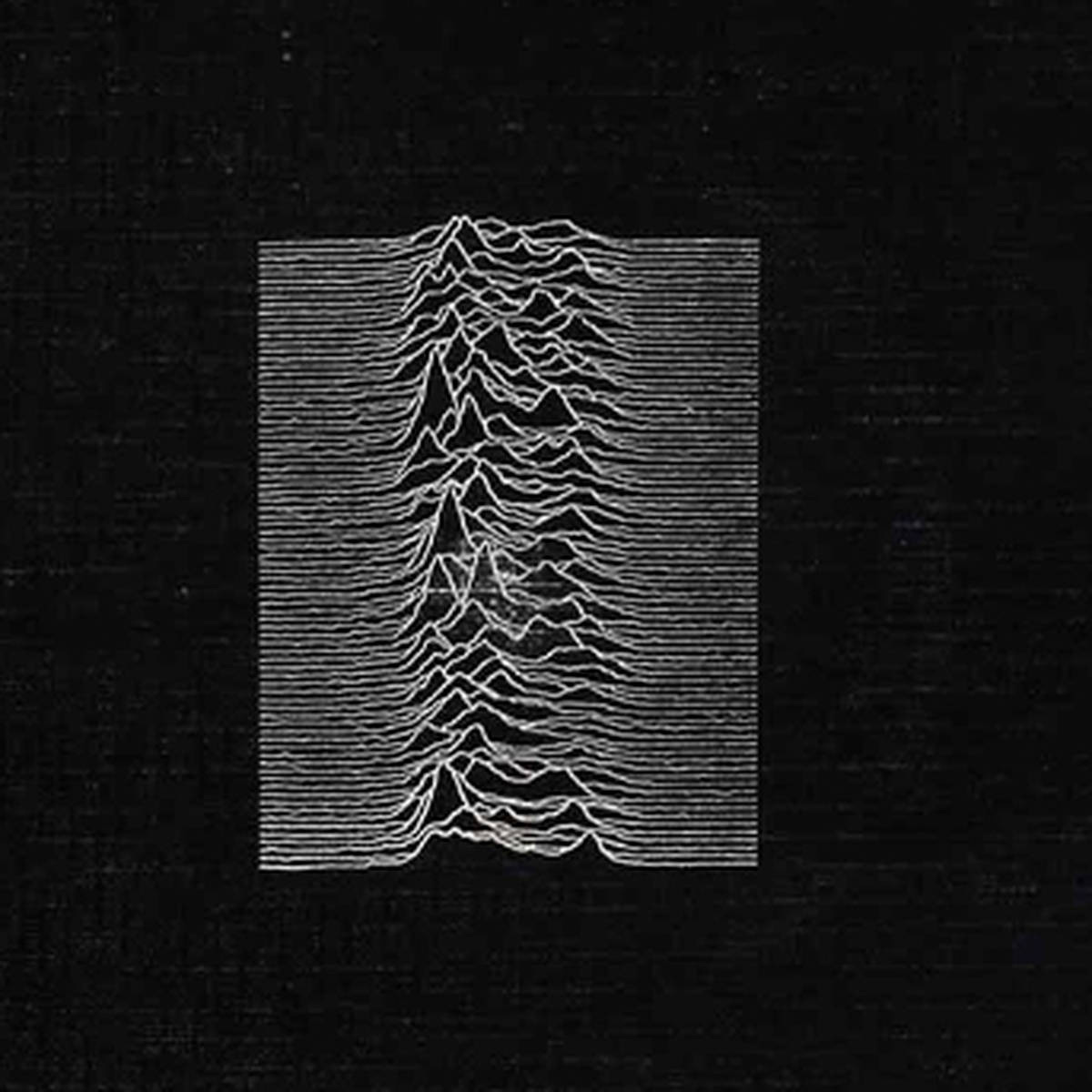
I started designing not in Figma, but in a Google Doc where I outlined my goals, site structure, the colors and typography I pictured, the feeling I was chasing. I gathered a few images that captured my imagination. The album cover for Joy Division’s Unknown Pleasures. Broken Bells’ debut record with its geometric sphere. Hans Zimmer’s music for Dune. Star Wars: A New Hope. The future and the past colliding into a kind of aspirational nostalgia.
Claude served as a partner to push off of, instead of getting lost in my own ruminations. I described what I was searching for, and it came back with a version of my vision that carried new things for me to consider. Eventually I realized I wanted data from space and Earth, real signals from pulsars, seismographs, the oceans, and the climate, turned into visualizations that describe a feeling without spelling it out. I wouldn’t have attempted that without an AI collaborator as I would have considered it to be too much work. But with Claude, I felt some of the limitations I’d placed on my creative process lift.
At no point did I feel like Claude was the lead designer on this project. The ideas were mine, and I was able to stay focused on concepts, whereas in my many failed attempts at redesigning my portfolio in the past, I’d get lost in execution. It was liberating.
I chronicled the whole backstory on my site, in the colophon.
What our first Portfolio Club critique taught us
Building my own portfolio is what inspired us to start Portfolio Club, a community support group where Design Better members learn from one another, get honest feedback, and build a portfolio they’re proud to share. For our first session, Matt D. Smith (MDS, of Shift Nudge) joined Eli and me to critique real portfolios live. His advice was so good I want to pass the best of it along.
Make the work the hero
Matt’s first principle is the one most of us get wrong. Your work should fill the project page, roughly 80% of it. Explaining your process matters, but in the end people want to see what you made.
I want to see big, beautiful images of your work. Show me 50 images you’ve handcrafted for one case study. Eighty percent images, maybe 10 to 20 percent text. I need to see the work. Less text, less text.
Matt D. Smith, Portfolio Club
Show the work, show it well, and present it in a consistent, easy-to-see format. Matt keeps a “soft mini design system” in his head for this: every image the same width, set in the same frame, displayed the same way, so the whole thing is easy to take in.