



Turn It Over
This week on the show: Aaron Draplin, founder of Draplin Design Co., on origin stories, junk stores, and the kind of generosity that never makes it into a design portfolio.
Listen to the episode
Aaron Draplin: Spotify, Apple Podcasts, Substack, Youtube
Already a paid subscriber? Follow this link to set up you premium feeds on Apple, Spotify or any other platform from your phone or computer.
When Aaron Draplin was about ten, his dad snuck him through a fence into Detroit’s Olympia Stadium, the old home of the Red Wings, a few weeks before the building was demolished. They found their way into the locker room and his dad got down on his hands and knees and started ripping up the carpet. Draplin asked what he was doing.
“Aaron, this could be the carpet that Gordie Howe’s balls dripped on.”
They hauled out armloads of carpet, cut it into squares, and loaded a couple hundred loose bricks into the back of a minivan. For years afterward, his dad handed the pieces out to Red Wings fans like sacred relics. Draplin still has his.
That’s the kind of household Draplin grew up in. His dad pulled moldings out of Detroit houses before they were torn down, chased garage sale signs down dirt roads on the promise that this one could be the one, and once talked his way out of a hardware store with a pocket of things nobody had rung up. Decades later, Draplin still can’t walk past an estate sale without lifting one small thing into his own pocket, just to keep the tradition going.
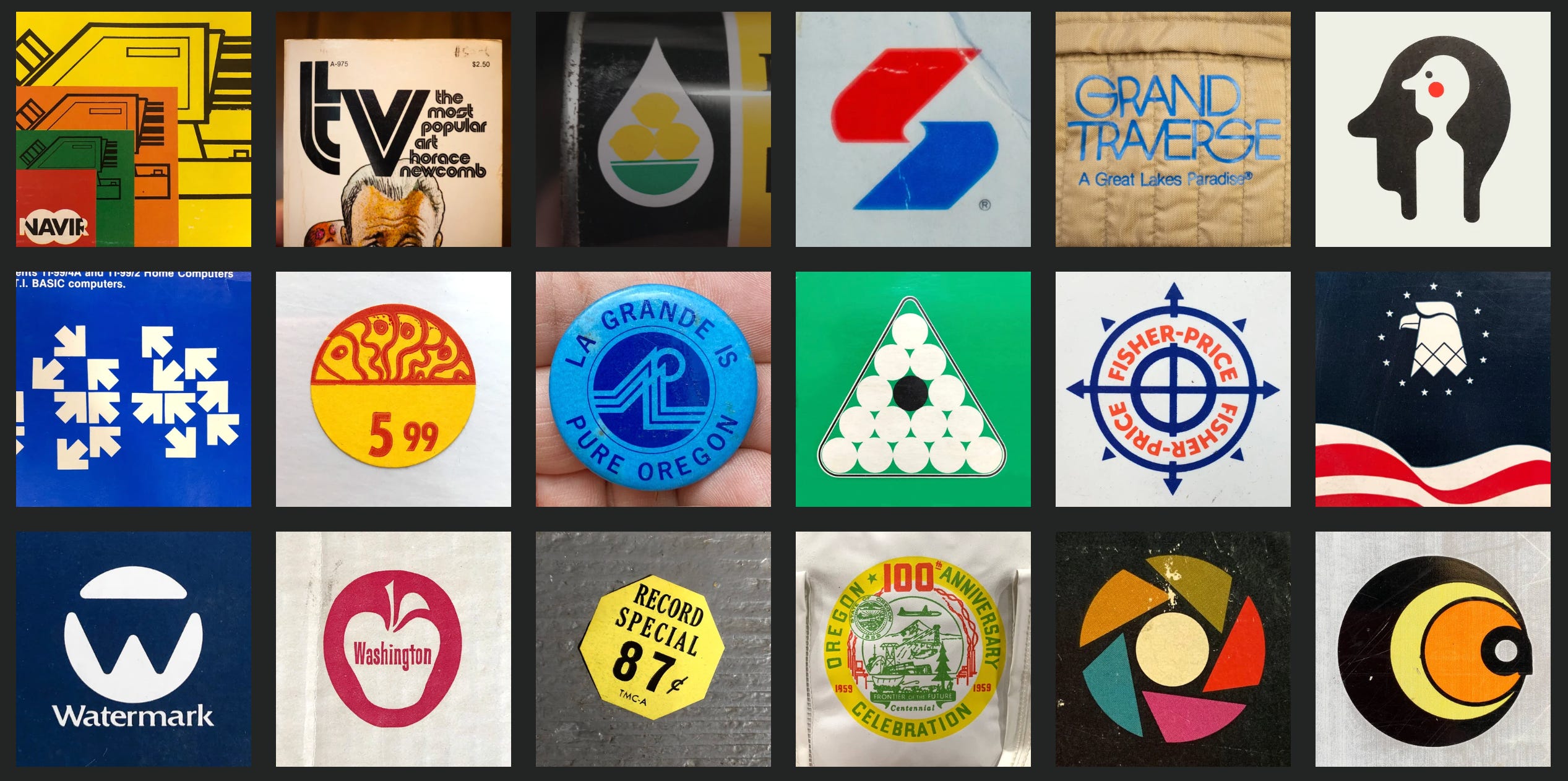
He’s now one of the most recognizable names in American graphic design: the founder of Draplin Design Co., the guy behind Field Notes, a run of Nike and Ford work, and a U.S. postage stamp. We pulled three things out of this conversation that go beyond “cool logo guy.” How he thinks about identity. How he actually built his design education. What he thinks he owes the people around him now that he’s made it.
Learn how to make design more impactful in your org at a 2 day event in Sonoma, CA
Join Eli and Aarron September 28–29 in Sonoma for the September Work(shop) Leadership Excursion — an intimate, conversation-first gathering of forty design leaders in the heart of wine country, built to challenge how you think about your craft and the coalitions behind it. Speakers include Paul Dichter, lead writer on Stranger Things, Bill Burnett, author of Designing Your Life, and Sheryl Cababa, author of Closing the Loop: Systems Thinking for Designers.
1. He never ignored where he’s from
Most creative people, at some point, decide their origin story is something to outrun. Draplin didn’t. During his junior review at art school, a panel dressed him down for wanting to do “pedestrian” commercial work, like designing catalogs for a company such as Cabela’s, instead of chasing the high-concept polish that was fashionable in 1998. He didn’t take the hint. “I wanted to go into function,” he said. “You had to go make Cabela’s catalog for guys to buy big elephant guns. And that’s a vital job.”

What he’d actually grown up around wasn’t polish. It was hardware store aisles sorted into little bins of nails and screws. Garage sale tables covered in baby clothes and rusted signage. An extra refrigerator in the garage that his dad kept stocked with beer, joking, “Wisconsin might get tired of the jokes. If they ever invade over Lake Michigan, at least I have enough beer to get us through.” Salvaged Victorian oak furniture, scavenged lead type, Coca-Cola signs pried off buildings on their way to the wrecking ball. That was Draplin’s visual diet, and instead of trading it in for something with more art-school pedigree, he kept it.
“I didn’t need to detach from something to get to the next better thing.”
