


“Being a parent is like being a psychic who is constantly correct, but always ignored.” – Jim Gaffigan
The comedian Jim Gaffigan has a funny bit about being a parent. It’s familiar to many of us who have raised kids from toddlers through the teenage years: “It’s cold outside, grab a jacket,” we say, or, at a different time of year, “put sunscreen on. You’ll get a sunburn.”
Inevitably, the mandate/directive/advice is ignored, and the child comes back: “Can I use your jacket?” or “Dad, my skin hurts!”
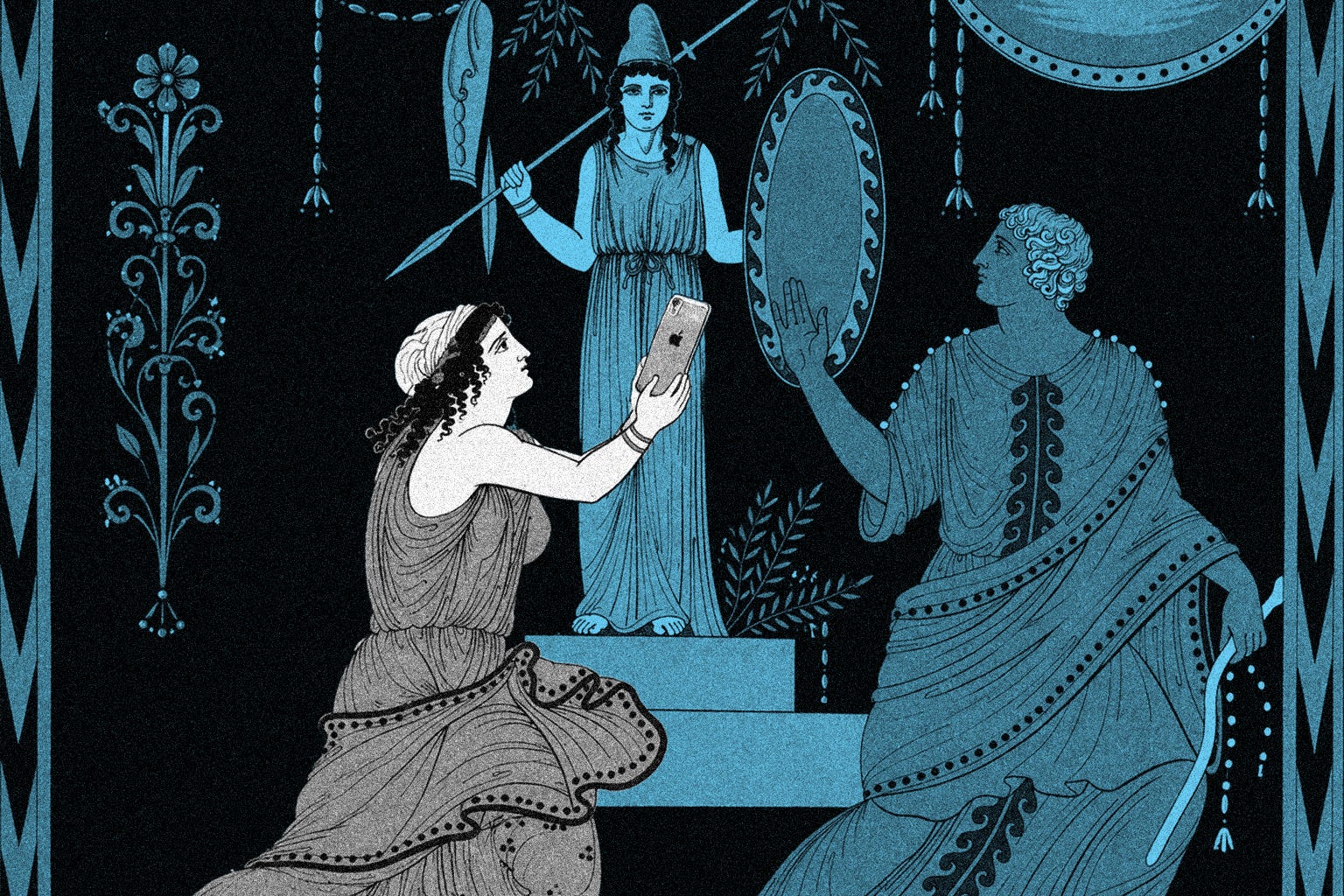
As parents, much like the Greek priestess Cassandra, we can predict the results of ignoring our sage advice, but it doesn’t matter. Our kids need to learn through direct experience that their mistakes, despite our best efforts to protect them, have consequences.
Which brings us to our guest this week, Paul Ford — writer, developer, entrepreneur, and co-founder of the software agency Aboard. Paul describes himself as a “fun Cassandra”: someone who makes predictions, sometimes gets them right, and has learned to deliver the news with grace and humor. When Claude Code dropped in November, Paul saw immediately that something had fundamentally shifted. The people around him, not so much.
In this conversation, Paul walks us through what’s actually changing, and what’s stayed the same, inside a software agency that has gone all-in on AI. Why ideation gets faster but building stays slow. Why transparency about AI use is becoming a competitive advantage. Why taste and judgment are becoming more valuable, not less. And why the liberal arts kid who can parse ambiguity and connect disconnected ideas might end up being the most important person in the room.
Here are four things we learned from Paul in our conversation.
Listen to the episode and join the conversation
Paul Ford: Spotify, Apple Podcasts, Substack
Paul Ford: Writer, developer & "fun Cassandra" on why everything is changing (but not how you think)

Paul Ford likes to call himself a “fun Cassandra” — someone who, like the priestess in Greek mythology, sees trouble coming, but unlike her tries to make the warning as entertaining as possible. He’s the writer, developer, and co-founder of the tech agency
The acceleration paradox
If you’ve spent any time vibe coding or prompting your way through a project lately, you’ve probably felt it: the beginning is exhilarating. Ideas materialize, prototypes appear, whole interfaces snap into existence. It feels like a superpower. And then, somewhere around the point where the thing actually has to work — really work, for real users, with real data — the pace drops back down to earth.
Paul has been living this dynamic inside Aboard:
“The coding is really fast, but the thinking is actually not that much faster. It’s maybe a little bit faster, or possibly a little bit slower, because there’s so much more product to work through. Once people get that taste of the incredible acceleration, they’re like, well, now it’s always going to be like this. But I actually don’t see product going away. Everything kind of still needs to be there.”
The bottleneck, it turns out, was always the thinking. Prototypes are important of course, but so is the research, the iterations and testing, and the shared understanding that has to get built before anything real can ship. AI hasn’t changed that. If anything, by making the early stages so fast, it’s thrown the slowness of the rest into sharper relief.
Taste is the new technical skill
One of the most useful reframes in the conversation is Paul’s argument that as AI commoditizes execution, the ability to recognize quality becomes the scarcer, more valuable thing. Not just having taste, but being able to articulate it, defend it, and use it to pull the work back when the machine goes in the wrong direction.
He illustrates it with a telling detail about LLM-generated prose:
