



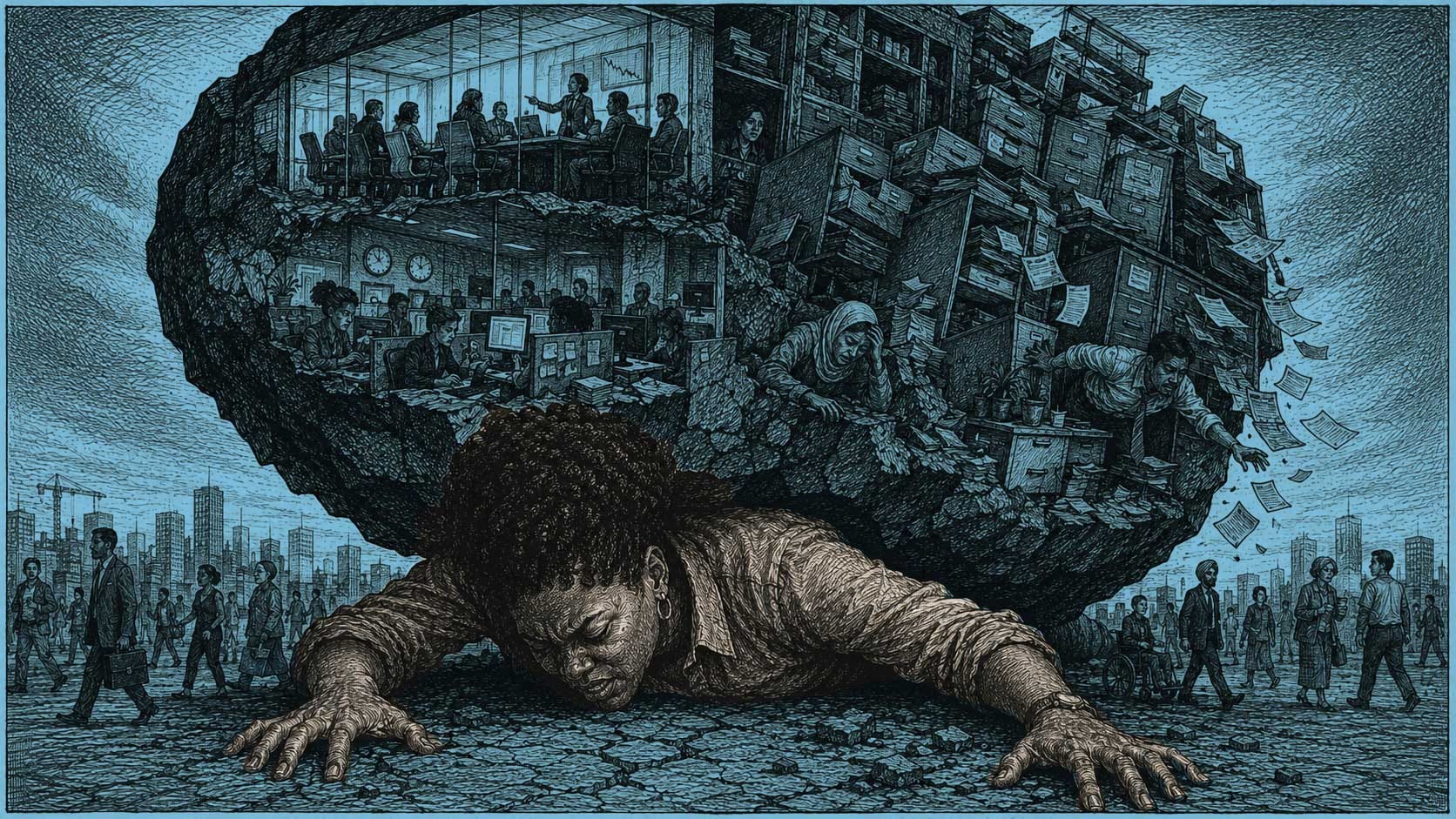
It’s easy to feel like a victim of workplace dysfunctionality. But nobody likes a victim. Even CEOs don’t have complete agency over the workplace. Companies operate on social contracts that may be guided by executives, but every employee plays a part in shaping the environment.
Clay Parker Jones has been studying organizations like an anthropologist for years and has distilled his observations and principles in a new book called Hidden Patterns: A Playbook for More Human Workplaces. He’s been at it close to two decades, first at the digital strategy firm Undercurrent and now as an organizational designer working on it full time.
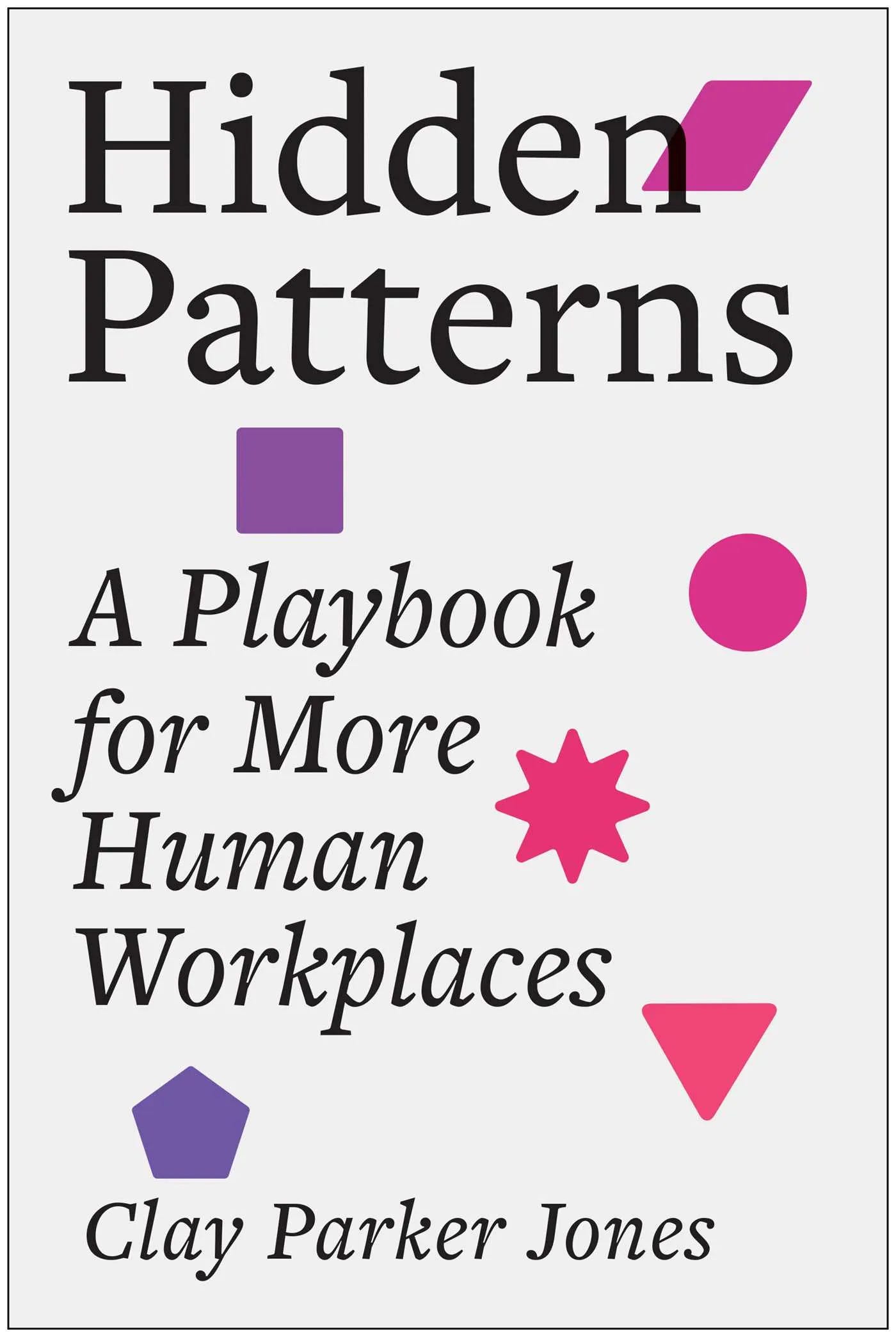
The book is 75 patterns, and what we like about that structure is that you can pull one without permission from anyone. Clay calls the practice pattern thinking and doing, which “acknowledges that meaningful change can and does begin anywhere, at any level. It doesn’t require formal authority or a big budget.”
We covered a lot of ground with him. Five ideas stayed with us, and here’s how we think they apply to the work designers and tech pros are doing right now.
Design leadership is tough. Get answers, connect with skilled leaders at Creative Leadership Retreat Sept 28-29.
Listen to the episode
Clay Parker Jones: Spotify, Apple Podcasts, Substack, Youtube
Already a paid subscriber? Follow this link to set up you premium feeds on Apple, Spotify or any other platform from your phone or computer.
1. Most of us aren't on a team. We're in a group that meets.
Clay’s diagnosis of the modern workplace is short: there aren’t enough real teams. What we have instead are co-acting groups. We gather for a meeting, then scatter back to the work we each do alone.
Think about the people in your last meeting, and ask whether any of you kept working on the same thing after it ended. For a lot of us the answer is no, and we’ve been calling that a team anyway.
When we asked Clay what a good one actually looks like, he didn’t describe a structure. He described a set of relationships.
“Most people that I speak to who have had a great experience at work had it in the context of a team. People that they know, people that they care about, people that care about them.”
—Clay Parker Jones
That’s why so many designers have a distorted sense of how rare this is. Design teams tend to clear the bar without trying, so we assume everyone else works the way we do. They’re mostly not. Greg Hoffman told us something similar in Creativity is a team sport: the good work comes out of the connection between people.
If a group you’re in has no reason to exist between meetings, you can give it one. A decision it owns. A number it watches. Something that you’re working towards together (ahem, better than another OKR). And if you can’t, that’s worth knowing too, because you’ve been holding yourself to a standard the structure was never going to meet.
