


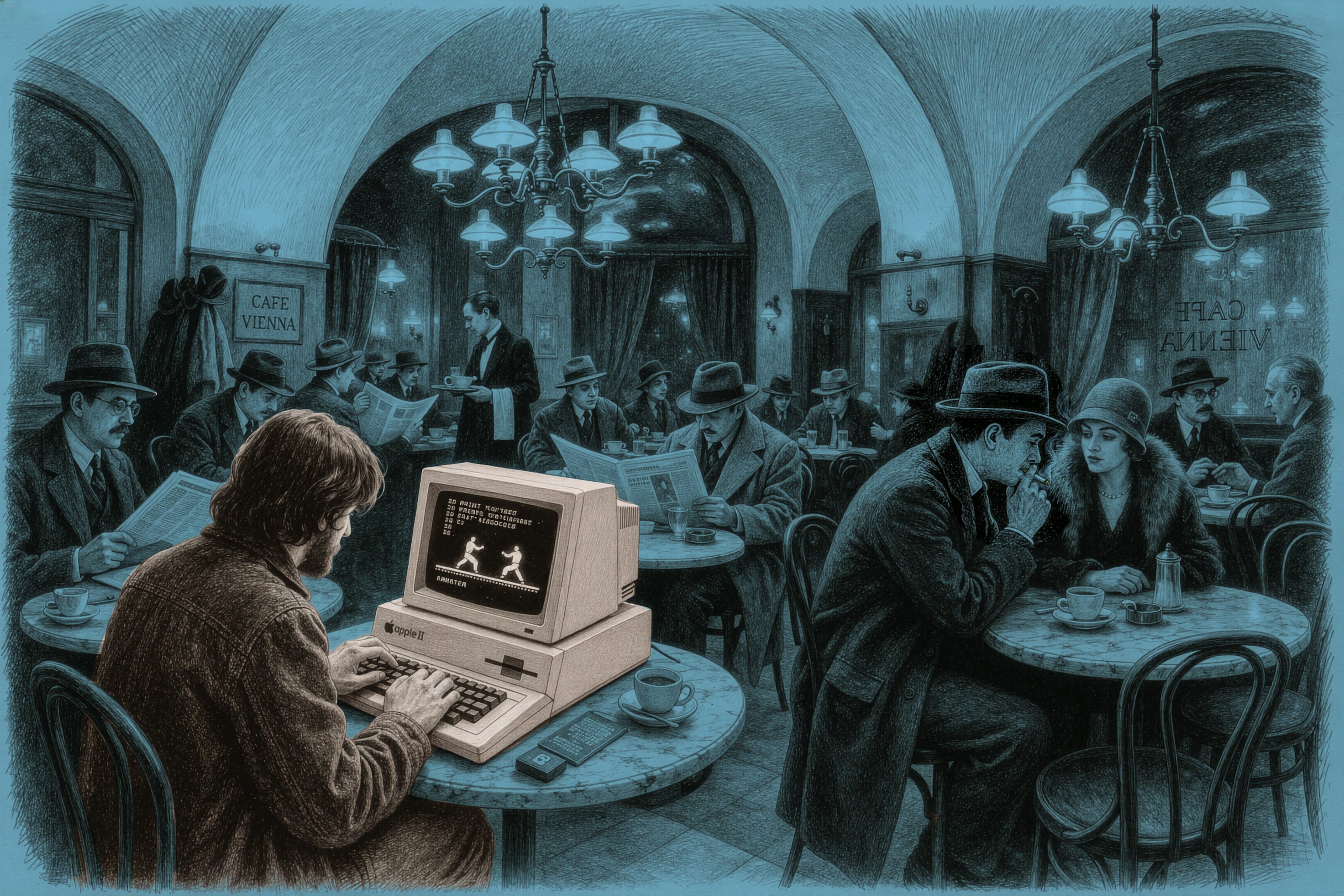
It’s difficult to escape the fact that we live in a very turbulent time. Apart from the warp-speed pace of technological change, wars and world events are keeping many of us on edge. It’s tempting to think that we are living in a unique period of history, but humans have gone through these upheavals before, and it’s helpful to hear stories from those who lived through them.
When we spoke to Jordan Mechner, video game pioneer (Karateka, Prince of Persia) and author and illustrator of the graphic novel Replay, he mentioned toward the end of the interview how much he was enjoying the The World of Yesterday by Stefan Zweig.
“Forget it all, I told myself, escape into your mind and your work, into the place where you are only your living, breathing self, not a citizen of any state, not a stake in that infernal game, the place where only what reason you have can still work to some reasonable effect in a world gone mad.”
― Stefan Zweig, The World of Yesterday
Stefan Zweig wrote those words in the early 1940s, in exile in Brazil, watching the civilization he loved — Vienna, the great flowering of early 20th-century European culture — consumed by the war that ended it all.
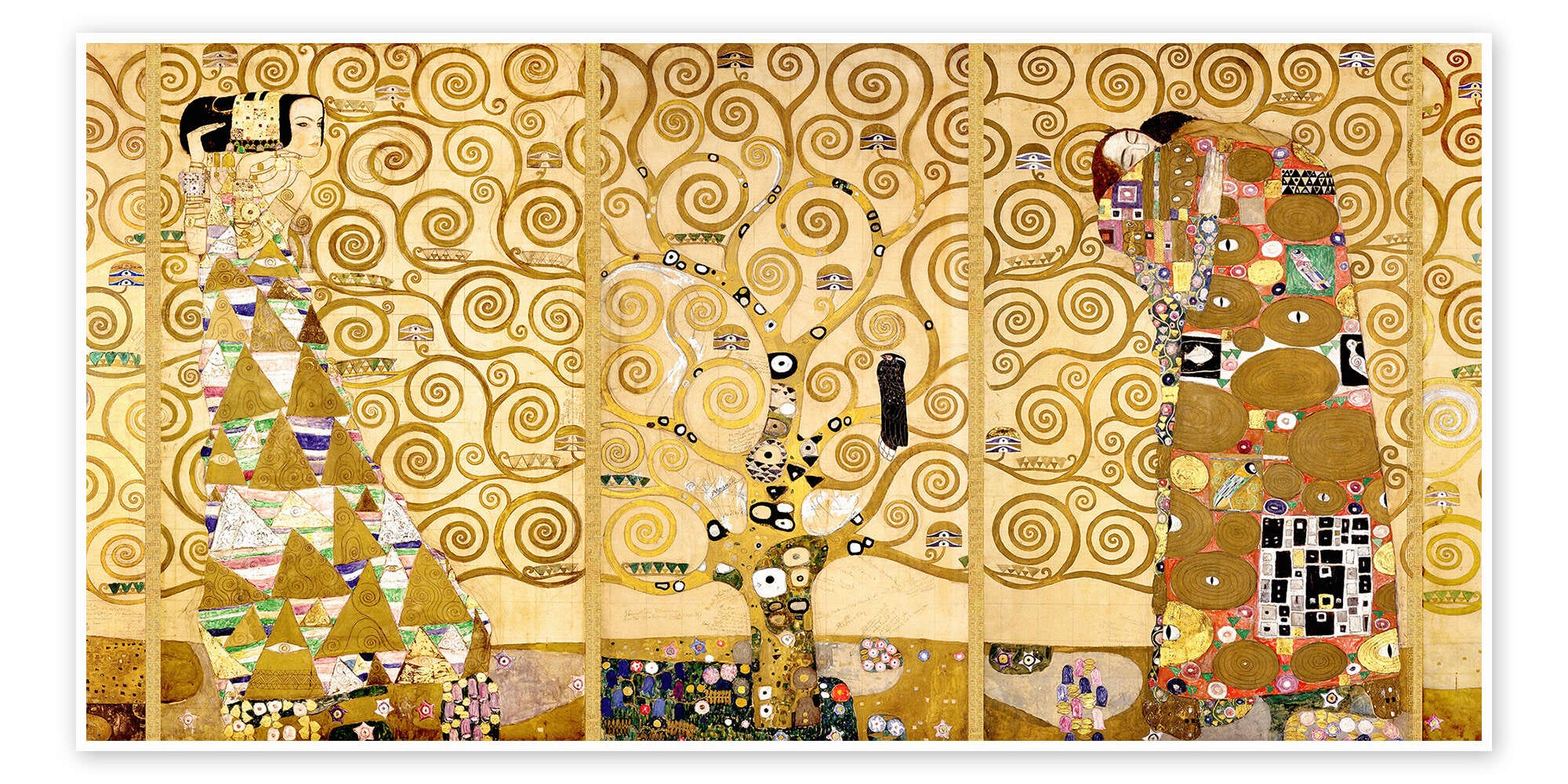
Zweig's Vienna was arguably the most fertile creative scene in modern history. In a few square miles, at roughly the same moment, Freud was mapping the unconscious, Klimt and Schiele were painting naked bodies on gold leaf, Mahler and Schoenberg were pulling the tonal center out of music, Wittgenstein was rebuilding philosophy from the ground up, and a young architect named Adolf Loos was declaring ornament a crime. They were all, somehow, talking to each other—either literally, in the case of Schoenberg and Mahler, and Klimt and Schiele, or metaphorically—and out of that conversation came much of what we call modernism.
Then history happened, and most of them fled or died.
Listen to the episode and join the conversation
Jordan Mechner: Spotify, Apple Podcasts, Substack, Youtube
Join the conversation about this interview in our chat room. →

Design Better is brought to you by Wix Studio, the most powerful web design platform for entrepreneurs, agencies, and creative thinkers. Learn more →
We ❤️ Wix and we know you will too!
The World of Yesterday, Feeling Like Today
Jordan picked up The World of Yesterday again while working on Replay, partly because his grandfather grew up in that same Viennese world.
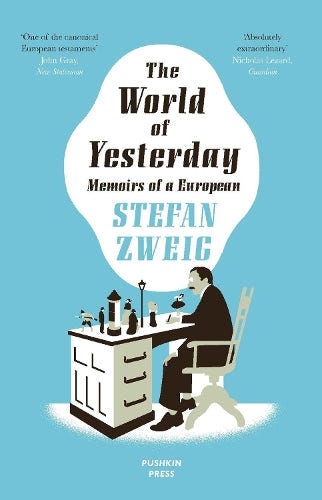
What surprised him was how contemporary it felt.
“It almost felt like he was writing it today because he’s talking about the impact of technological change and how the world got so much faster. And he’s talking about like 1905, but everything he says, it’s like, that’s how I feel. That’s how I felt about the iPhone. That’s how I felt about the internet. That’s how I feel about AI. He’s writing an instruction manual for today.”
