



Normally, I don’t write The Roundup while sitting in the middle of the Big Sur River, on one of the Adirondack chairs that The River Inn places on its property. But this week is different.
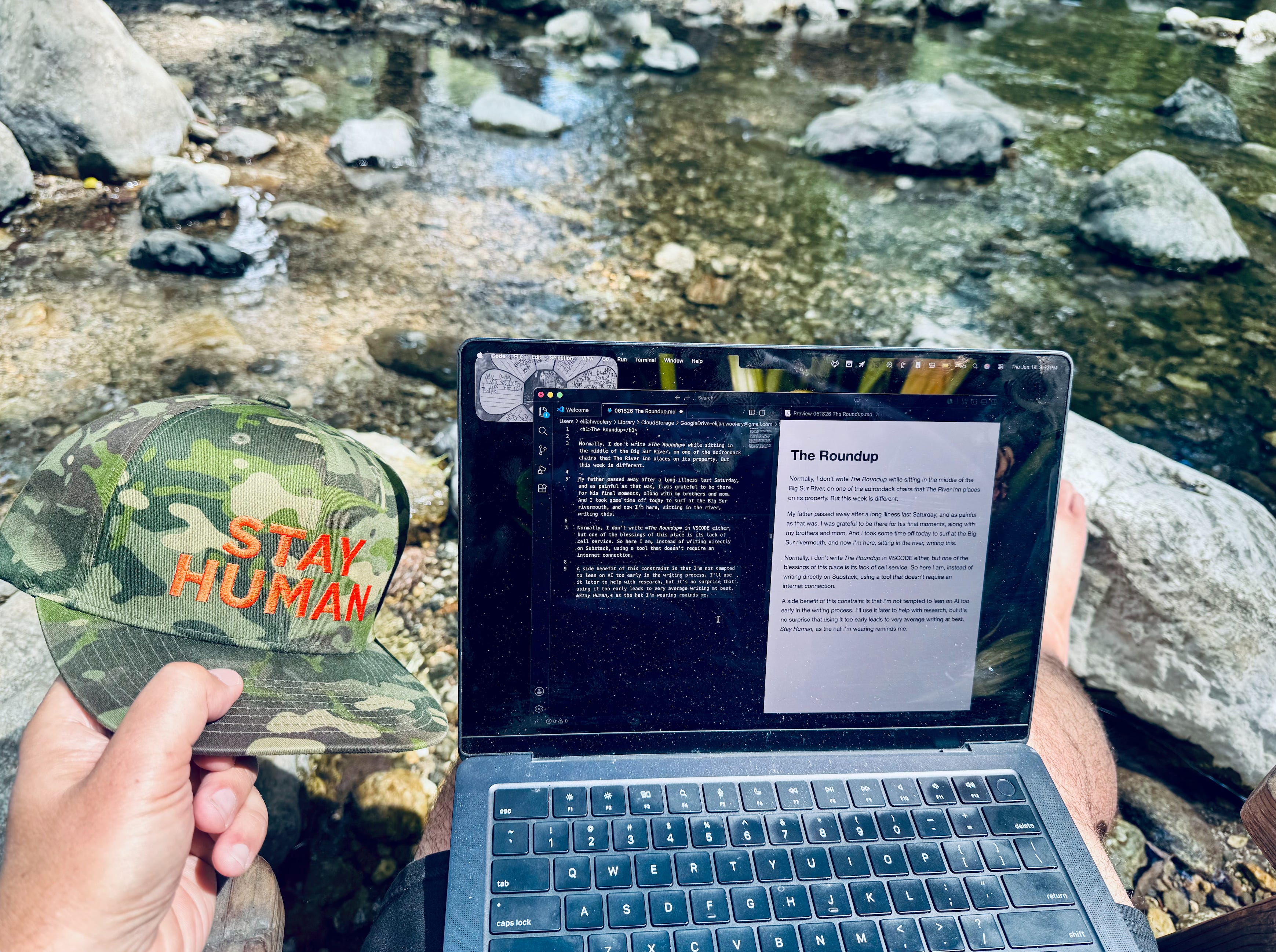
My father passed away after a long illness last Saturday, and as painful as that was, I was grateful to be there for his final moments, along with my brothers and mom. I took some time off today to surf at the Big Sur river-mouth, and now I’m here, sitting in the river, writing this.
Normally, I don’t write The Roundup in VS Code either, but one of the blessings of this place is its lack of cell service. So here I am, instead of writing directly on Substack, using a tool that doesn’t require an internet connection. A side benefit of this constraint is that I’m not tempted to lean on AI too early in the writing process. I’ll use it later to help with research, but it’s no surprise that using it too early leads to very average writing at best. Stay Human, as the hat I’m wearing reminds me.
Though my father was a physician, he had a diverse array of interests: poetry (he wrote under the pen name Jamie Irons), mathematics, biology. One of the books he left me was Wonderful Life: The Burgess Shale and the Nature of History, by the paleontologist and evolutionary biologist Stephen Jay Gould.
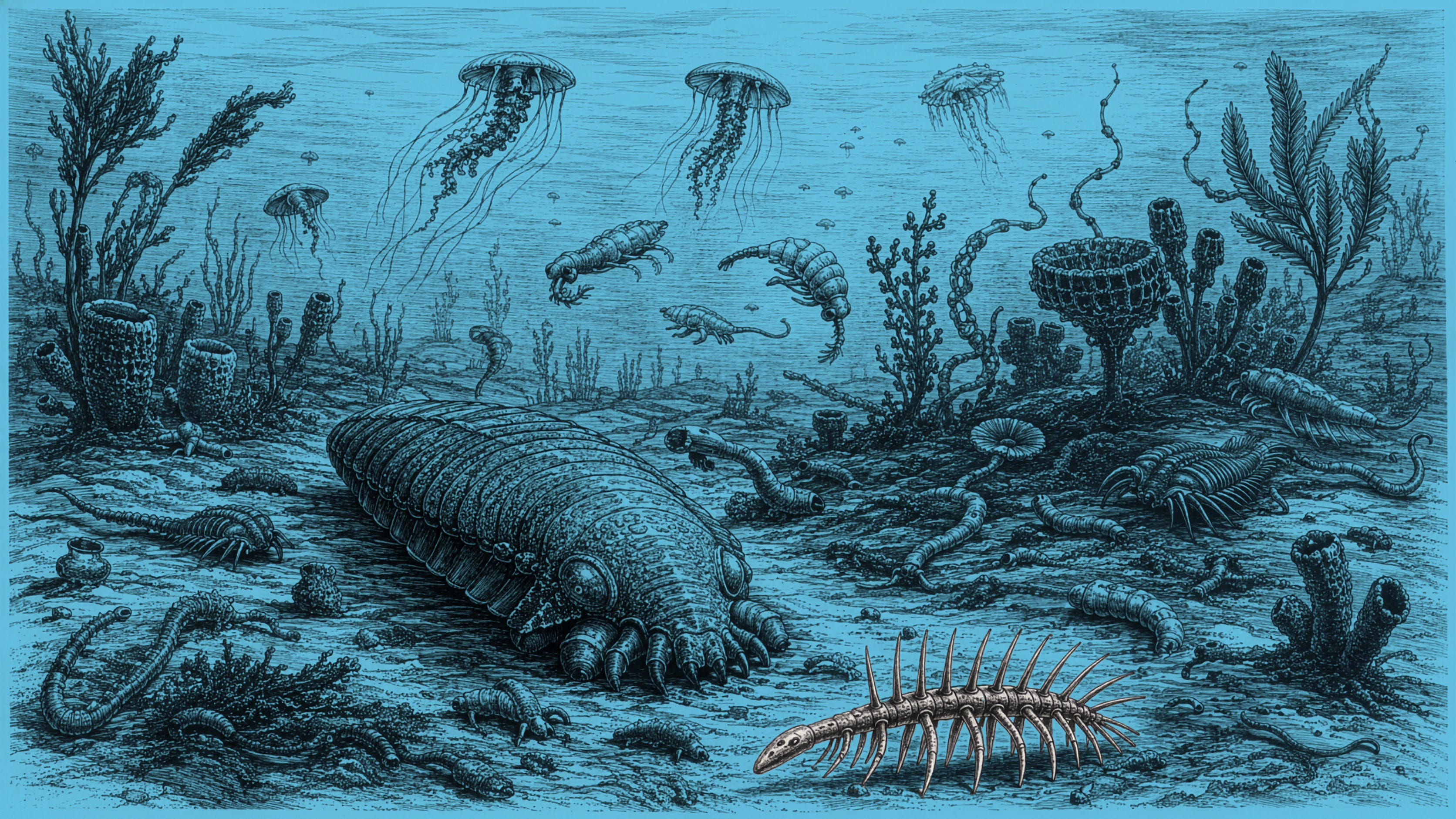
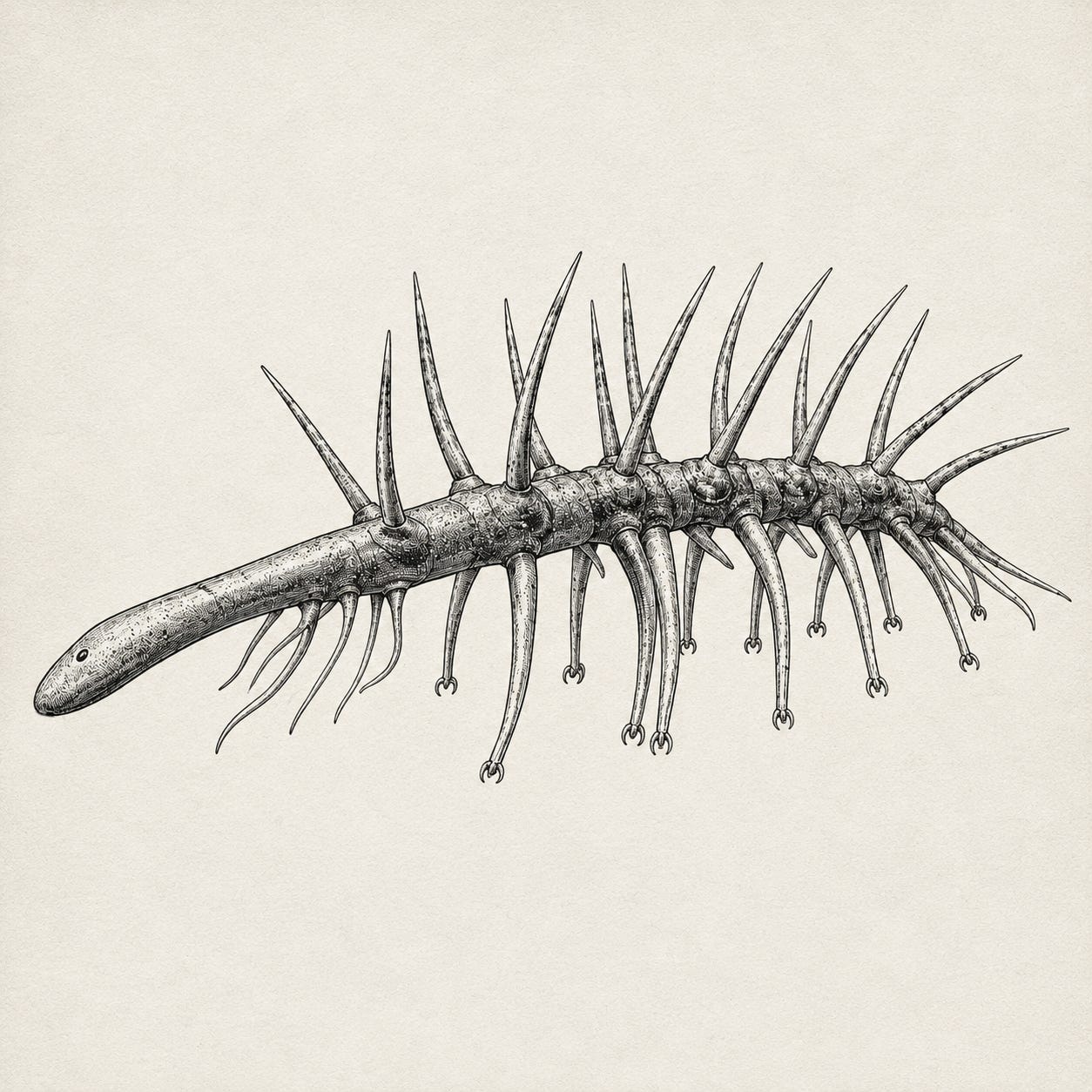
Among other things, the book discusses what is popularly known—among us nerds at least—as the Cambrian Explosion, a point in the evolutionary history of life where life explored a dizzying array of different forms in a geologically short time period. Roughly 540 million years ago, the fossil record lights up with a diversity of body plans. Creatures with five eyes. Animals with no clear descendants. Arthropods in shapes evolution would never try again. The burst of experimentation was spectacular, and sometimes spectacularly strange (see a rendering of the aptly named Hallucigenia below).
Scott Belsky, chief strategy officer at Adobe, used the Cambrian Explosion as metaphor when we spoke with him last year to describe what generative AI is doing to software.
“So now we’re in this Cambrian Explosion of sorts where there are just so many new models and capabilities and apps and all these things. And I feel like every few weeks, orientation changes about what’s the best this and what’s the best that. And it’s hard to keep up with…
In some ways, you could argue that empathy outperforms passion when it comes to product design. And sometimes as technologists, we’re like, oh, if the technology can do that, we’re just going to apply it. But people may not be ready for some of these things, especially with the ramp of capability right now.” — Scott Belsky, Chief Strategist at Adobe
We are watching an explosion of new tools, new workflows, new categories of creative possibility, in real time. It’s exciting. It is also, as Gould would remind us, mostly going to fail.
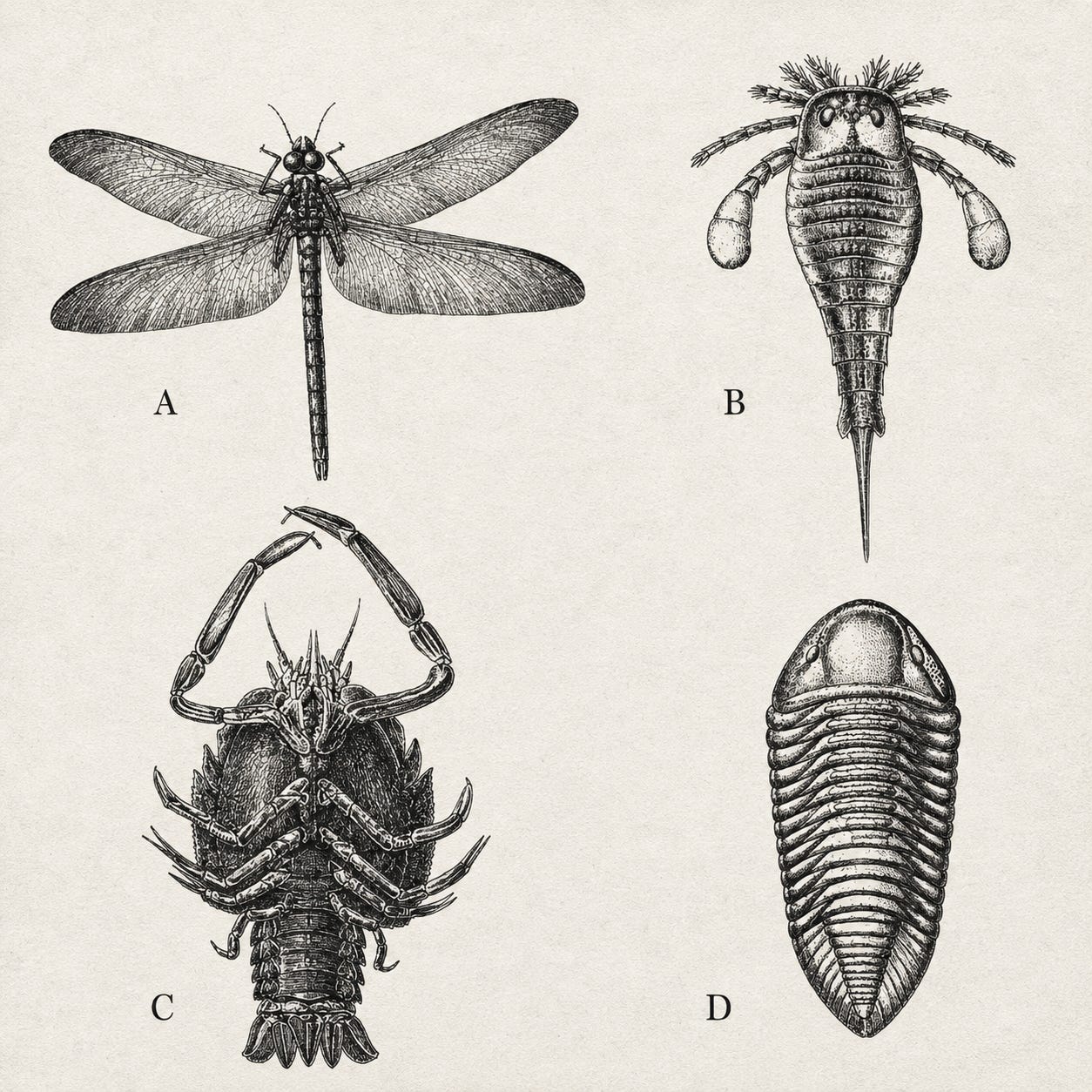
While the actual Cambrian Explosion is relatively well known, one fact about it isn’t. Of the many arthropod groups that emerged, only four survived past that period. Three persist today: the Uniramia (insects, millipedes), the Chelicerata (spiders, scorpions), and the Crustacea (crabs, shrimp, lobsters). The fourth, the Trilobata, lasted another 270 million years before going extinct. The rest were filtered out by evolution.
As for the software explosion, every week brings new tools, new features, new categories. The Cambrian seabed of 2026 is thick with strange creatures, most of which will not make it to 2030.
Gould’s deeper argument was that the Cambrian Explosion was not random. The survivors were not simply the strongest or the fastest. They were the ones whose body plans were most adaptable, most capable of being elaborated over time into something the environment could use. I think the same logic applies to what we are living through now. And when I look back across the conversations we have had over the past few years, three ways of working keep surfacing, like body plans that might actually survive the filter.
AI x Influence Workshop
Bobby Hughes and I have a few spaces left in our upcoming AI x Influence for Design Researchers workshop happening next week over two days (Tuesday the 23rd and Friday the 26th).
We’re happy to offer two 50% off tickets for Design Better listeners.
September Work(shop) Leadership Excursion

Join Eli and Aarron September 28–29 in Sonoma for the September Work(shop) Leadership Excursion — an intimate, conversation-first gathering of forty design leaders in the heart of wine country, built to challenge how you think about your craft and the coalitions behind it. Only a handful of tickets remain — see the lineup and reserve your spot.
1. Specificity of intent
Eric Snowden, head of Adobe Design, said something in our conversation that I’ve thought about many times since:
“Most AI out there today is very good at making something generically beautiful, but not very good at making a specific idea you have in your head a reality.” — Eric Snowden
On one side are tools that produce output on demand, a slot machine you pull and something comes out. On the other side are tools that amplify our human abilities.
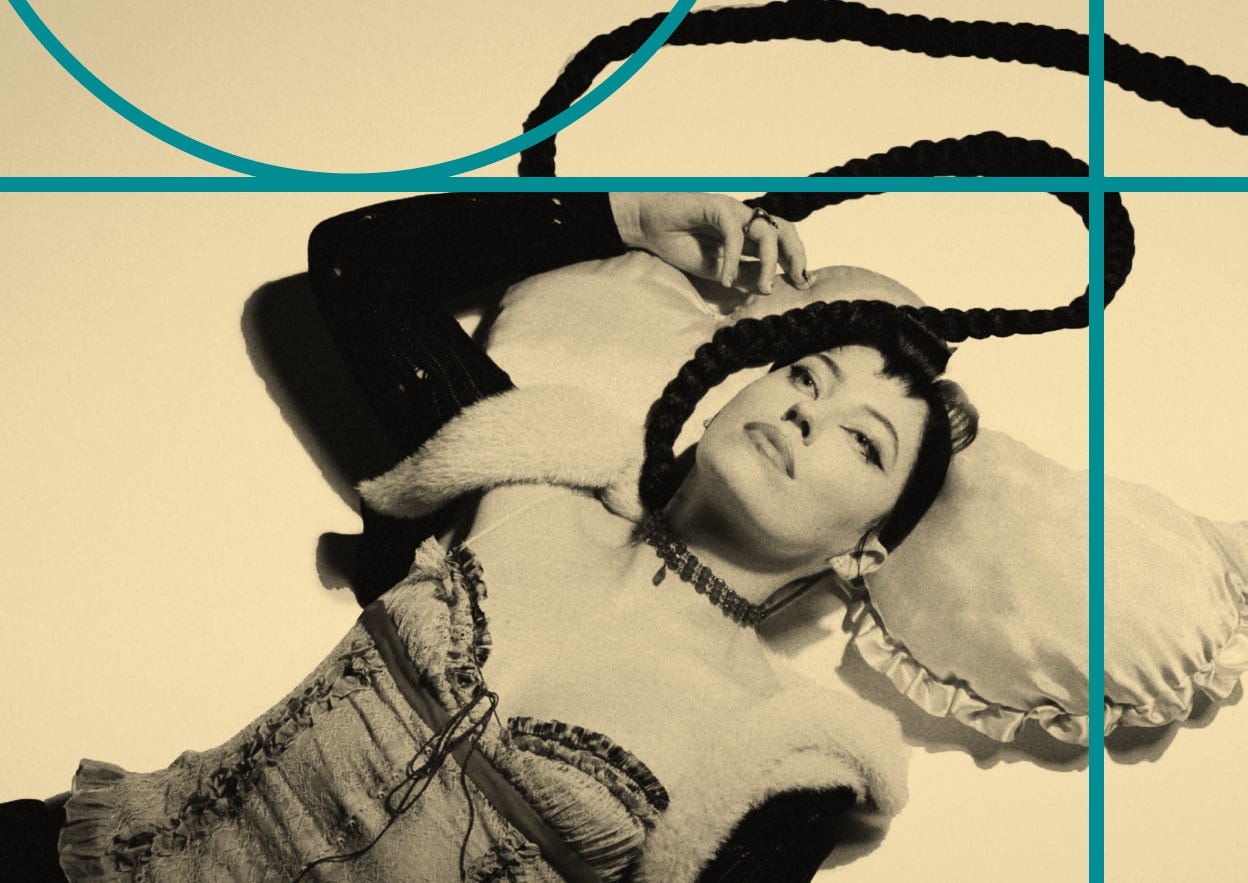
The tools that survive will be the ones that help us amplify our humanity, and the specificity of our creations. The singer and songwriter Bishop Briggs told us she wanted to throw her phone across the room when Suno wrote a song that sounded exactly like her work. Not because it was bad, but because it felt like her work, and it had cost her nothing:
I kind of wanted to throw the phone away, it was so terrifying…it’s [like] seeing all the answers for your homework and you don’t have to put in any of the work.
