


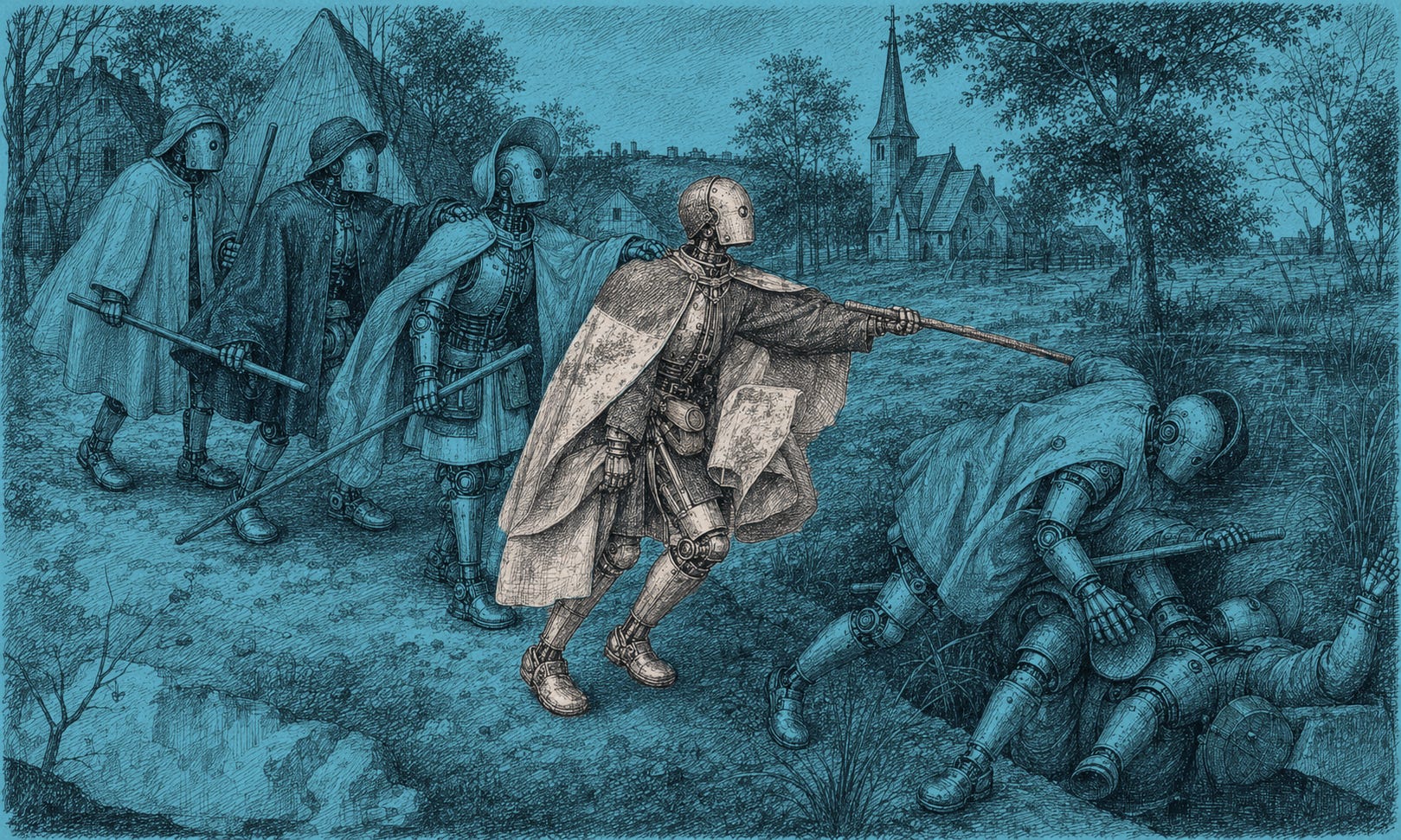
A few years ago, before the term “vibe coding” was coined by Andrej Karpathy, I created a “Design Better Radio” using ChatGPT to make a simple CSS/JavaScript/HTML app.1 The idea was to make a little web-based player that would pull random random shows from our RSS feed, which now has over 190 hours (or roughly 8 days!) of audio.
It worked, but the UI was frankly pretty terrible, and so I shelved it. I should also say that while I’ve helped to design and create many apps and websites over the years, in the pre-genAI era I mostly created the UIs in Photoshop(!?) or, later, Sketch and Figma, and would pass them to a developer to implement.
This past week I decided to create a new version of the app using modern tools like Claude Code.

The experience was so much different, and better, than my prior attempt. I first created the “radio” itself in ChatGPT, using reference images from Braun’s classic radio, as well as a few of teenage engineering’s wonderful products.
I then used Claude Code to create the app itself, using reference images I had created in ChatGPT, and pulling audio from our RSS feed. I pointed Claude to the Design Better Style Guide that Aarron created (also using Claude Code), so that it would use the proper fonts, colors, etc.
I deployed the app to Vercel, and was ably to quickly iterate through some functional and aesthetic updates.
What would have taken me at least a few days to implement before—including leaning on one of my brothers, who are developers, to help me code the app—took just a few hours.
We’ve entered an era where “should designers code?” is no longer really a relevant question. If you design digital products, you should be able to use these tools to create functional prototypes—even if your product at scale still needs engineering counterparts to help you implement it. Security, privacy, efficiency: all these things matter.
At the same time, many of the fundamental skills that designers have: aesthetic judgment, empathy and understanding of human needs and behaviors, and natural curiosity, are becoming more important than ever.
We recently had Brooke Hopper, Senior Principal Designer for Machine Intelligence and New Technology at Adobe, on Design Better. Brooke has watched multiple cycles of disruption reshape the creative tools landscape. She isn’t afraid of this one. But she has a perspective about what it means.
“Jobs in design aren’t being lost,” she told us. “[They’re] just being repositioned and refocused.”
Here are five ideas from the conversation that stayed with us.
Listen to the episode and join the conversation
Brooke Hopper: Spotify, Apple Podcasts, Youtube, Substack
Already a paid subscriber? Follow this link to set up you premium feeds on Apple, Spotify or any other platform from your phone or computer.
Join the conversation in our chat room. →
AI Gets You to 80%. The Last 20% Is Still Yours.
In the spring of 1968, astronaut Bill Anders pointed a camera out the window of Apollo 8 and took what became known as Earthrise. The photograph reframed an entire species’ relationship to home, and within two years, 20 million Americans participated in the first Earth Day. It wasn’t the image itself that changed the world, but rather the perspective it gave us.
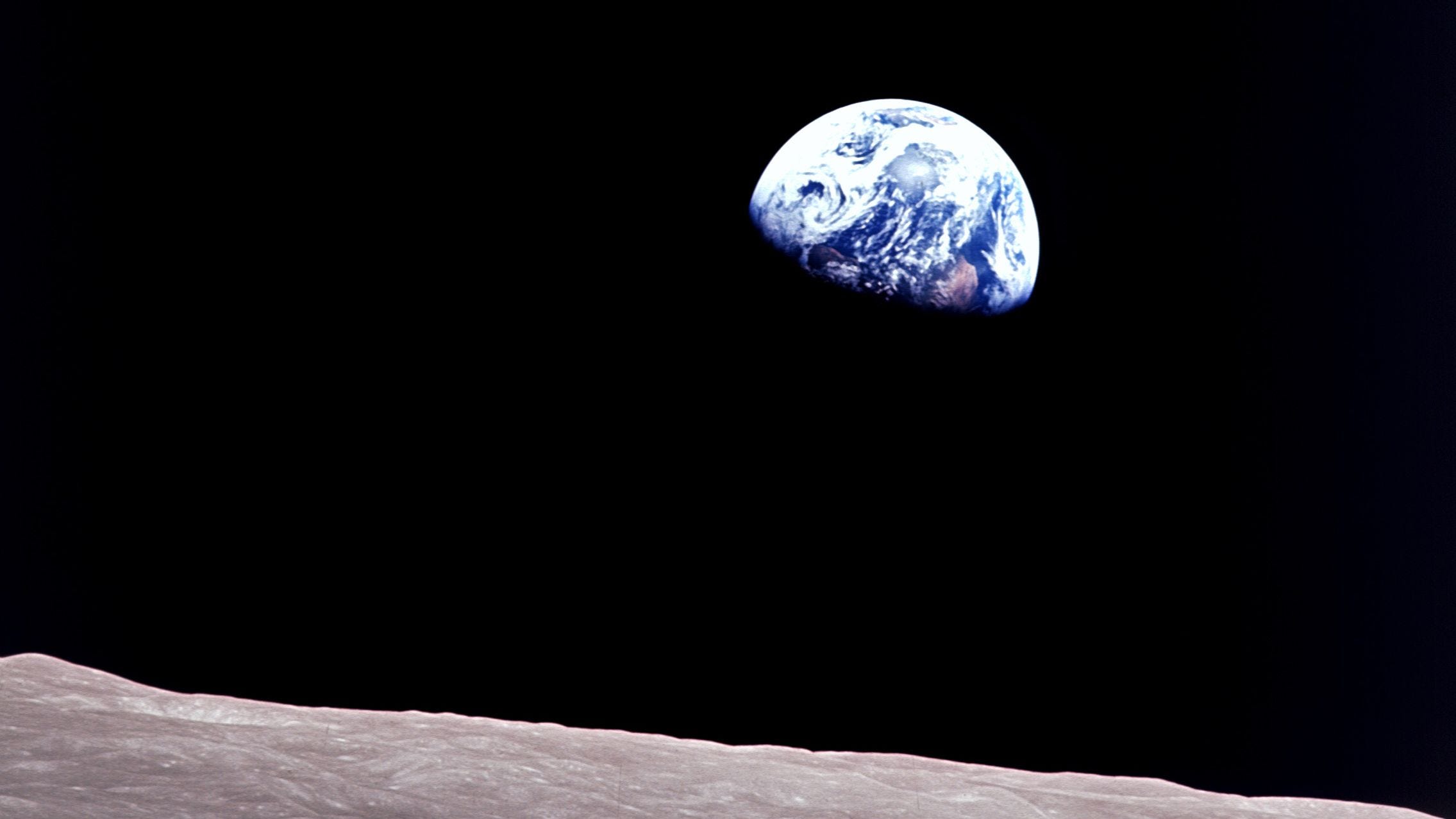
That reframing matters a lot. Because the fear response to AI, the existential tightening that many designers feel right now, often collapses a complex situation into a simple, and incorrect, binary: replaced or not replaced. Brooke resists that framing, and she offers something more useful in its place.
What she argues is that AI surfaces a question designers have always needed to ask but could sometimes avoid: what is it, exactly, that I am bringing here? When the tool can generate the artifact, the artifact stops being the answer. The judgment behind it becomes the work.
“You’re bringing all of your knowledge of design fundamentals, your taste, your aesthetic, your point of view, your emotions, your experiences.”
One of the most clarifying things Brooke said came when Aarron asked where Adobe fits strategically in a world where you can generate a pretty good design just by describing it.
Her answer: designers are obsessive about quality — and that’s not going away.
“Gen AI is no technology that gets you anything close to perfect. It might get you 80% of the way there, but then at some point you have to jump into a place that allows you to start taking that thing from 80% to 90%, to 95, 96, 99.9. There’s always a more perfect thing to get to. And for people like us who really care about the quality of their work, Adobe has those tools.”
This maps onto what a lot of designers are finding in practice. The generation phase — getting to a strong starting point — is genuinely transformed. But the last mile, the part that requires taste and judgment and pixel-level precision, still demands human involvement.
Brooke describes this as a “precision continuum”: Express and Firefly live toward the more accessible end; Photoshop and Illustrator are still there when you need to get exact. The interesting design challenge is building tools that help people move fluidly between those modes — and knowing, as a designer, where you are on that continuum at any given moment.
Beware the Pull of the Machine
One of the subtler concerns Brooke raised is what happens when “good enough” becomes the default.
“It is very easy to just follow the machine. You start to get something and you’re like, that looks good. That looks pretty good. That looks pretty good. And then suddenly you have a bunch of pretty good things.”
